22
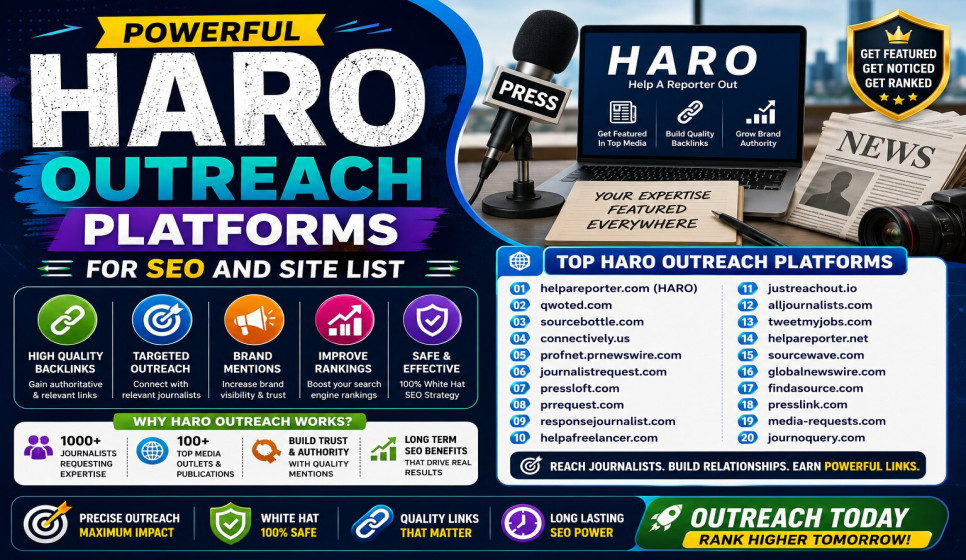
JulPowerful HARO Outreach Platforms for SEO and Site List
High-quality backlinks continue to be one of the most significant factors that search engines consider when assessing the authority and relevance of a website. Among the many techniques available for building backlinks, one approach that stands out for its effectiveness and safety is securing editorial backlinks through journalist outreach platforms. These platforms serve as a bridge between journalists, bloggers, and publishers, and the experts who can offer valuable insights for articles, interviews, and news stories.
When your expertise is highlighted in a published article, it can result in a brand mention or even an editorial backlink, both of which can significantly help improve your website's authority and drive more referral traffic. Unlike tactics that involve paid placements or automated methods, journalist outreach revolves around delivering value through expert contributions, making it a more ethical and sustainable approach to link building.
This guide explores the advantages of using HARO-style outreach, introduces the top journalist request platforms available, and offers practical tips for making the most of these platforms as part of a long-term SEO strategy.
What Are HARO Outreach Platforms?
HARO, which stands for "Help a Reporter Out," was one of the first platforms to popularize the concept of connecting journalists with expert sources.
While the original HARO service has been retired, several modern alternatives now follow the same model by matching media professionals with knowledgeable individuals who can provide expert insights. These platforms serve a variety of purposes, from helping journalists find reliable sources to allowing businesses to share their expertise, and ultimately building authority for individuals and brands through earned media exposure and backlinks.
These platforms offer several benefits, including:
Helping journalists find reliable and credible sources.
Giving businesses a platform to showcase their expertise.
Providing brands with media exposure and increased visibility.
Building the authority of experts and individuals.
Assisting websites in earning valuable editorial backlinks.
Editorial backlinks are more powerful than self-created links because they are earned based on the quality and relevance of your input, rather than being placed as part of a promotional effort.
This makes them more trustworthy and beneficial for SEO purposes.
Benefits of HARO Outreach for SEO
Using journalist outreach platforms offers a range of advantages that can positively impact your SEO strategy:
Acquiring editorial backlinks from trusted and authoritative websites.
Increasing brand visibility and awareness.
Boosting domain authority over time.
Generating more referral traffic to your website.
Enhancing your online credibility and reputation.
Practicing white hat SEO through genuine, value-driven link building.
Diversifying your backlink profile with high-quality links.
Gaining media exposure and industry recognition.
Creating long-term value for your SEO efforts.
Building valuable professional relationships with journalists and media professionals.
It's important to remember that no platform can guarantee that you will receive backlinks or improve your search engine rankings. Success with journal outreach depends on how well you respond to requests, the editorial decisions of the journalists, and the overall quality and relevance of your website.
Powerful HARO Outreach Platforms:
1.
Connectively
Connectively is widely recognized as the most popular successor to HARO and continues to offer the same journalist-source matching approach.
Features:
Journalist requests
Expert profiles
Industry-specific categories
Email alerts
Editorial opportunities
Best For: SEO, marketing, technology, finance, healthcare, and business professionals.
2.
Featured
Featured connects businesses and experts with publishers who are actively seeking professional opinions.
Benefits:
Easy submission process
High-quality editorial opportunities
Brand mentions and exposure
Building authority and credibility
Industry-specific visibility
3.
Qwoted
Qwoted helps journalists identify and connect with verified experts across various industries.
Ideal For: Business owners, agencies, PR teams, technology professionals, financial experts, and healthcare specialists.
4.
SourceBottle
SourceBottle links journalists, bloggers, and media outlets with expert contributors.
Popular Categories:
Business
Education
Technology
Travel
Lifestyle
Health
5.
ProfNet
ProfNet is one of the oldest and most established media outreach services available.
Suitable For: Universities, large companies, PR teams, government organizations, and industry experts.
6.
ResponseSource
ResponseSource is particularly popular among UK journalists and media professionals.
Features:
Comprehensive journalist database
Media and press opportunities
Press requests
Access to industry experts and news publishing resources
7.
PressPlugs
PressPlugs helps brands and experts identify and connect with media opportunities and journalists.
Benefits:
Daily journalist requests
Press and PR opportunities
Increased brand awareness
Editorial coverage and exposure
8.
Source of Sources (SOS)
Source of Sources (SOS) distributes journalist requests to professionals and experts, offering another path for media exposure and backlink opportunities.
9.
Help B2B Writer
Help B2B Writer connects business writers with professionals who can provide expert insights for B2B articles, case studies, and marketing content.
10.
Terkel (Legacy)
Although Terkel has evolved over time, it was one of the pioneers in the expert-answer model that many modern platforms now follow.
It helped connect contributors with publishers, setting a foundation for today’s journalist outreach strategies.
Here is a detailed list of various outreach platforms that are commonly used by professionals in the media and communications industry. Each platform has a specific focus and serves a particular purpose in connecting journalists, experts, and PR teams.
Platform | Primary Focus
Connectively | This platform primarily focuses on helping users connect with journalists and experts for sourcing purposes, especially when seeking expert opinions or quotes.
Featured | It provides expert answers tailored for publishers, making it a useful resource for those looking to get expert insights directly for publication.
Qwoted | This platform connects journalists with experts, facilitating direct communication and collaboration between the two groups.
SourceBottle | It is designed to handle media requests and provide access to expert sources, making it a go-to option for those needing professional input.
ProfNet | This platform is dedicated to public relations and journalist outreach, offering tools and services to help PR professionals connect with media outlets.
ResponseSource | It specializes in UK-based media and journalist requests, making it an essential tool for those working within the UK media landscape.
PressPlugs | This platform helps identify and connect with PR opportunities and media requests, supporting the broader goals of public relations and media engagement.
Source of Sources (SOS) | It acts as a distribution platform for journalist requests, helping to spread out and manage the flow of media inquiries efficiently.
Help B2B Writer | This platform is focused on sourcing content experts for B2B (business-to-business) writing, catering to the specific needs of professionals in the B2B sector.
Terkel (Legacy) | This is an older platform that functions as an expert Q&A platform, allowing users to engage in question-and-answer sessions with experts in various fields.
Why Editorial Backlinks Matter?
Editorial backlinks are links that are naturally acquired because editors and journalists believe that your content adds real value to their work.
Unlike links that are created through self-promotion, these links are formed based on mutual trust and the relevance of your contribution. Because of this, editorial backlinks are often seen as more valuable in the eyes of search engines and audiences alike.
The benefits of gaining editorial backlinks include:
Higher credibility:
When a reputable publication features your work, it signals to both readers and search engines that you are a reliable and authoritative source.
Natural backlink profile:
Editorial backlinks help create a more organic and diverse link profile, which is important for SEO.
Better referral traffic:
When your content is shared on trusted websites, it can drive more relevant and engaged traffic to your own site.
Increased brand recognition:
Being featured in respected publications can boost your brand's visibility and reputation.
Improved search visibility:
Search engines tend to favor websites with strong editorial backlink profiles, which can lead to higher search rankings.
Long-term SEO benefits:
Unlike some short-term tactics, editorial backlinks can provide ongoing SEO value over time as they continue to drive traffic and credibility.
Best Practices for HARO Outreach
If you're looking to increase your chances of being featured in a journalist's article,
there are several best practices you can follow:
Respond quickly to requests:
Journalists often need timely responses, so it's important to be prompt.
Read the request carefully:
Understanding the question or topic will help you tailor your response more effectively.
Provide accurate and original information:
Your response should be fact-based and offer a new perspective or insight.
Keep your response concise:
Be clear and to the point, avoiding unnecessary fluff.
Include relevant credentials:
Journalists value expertise, so make sure to highlight your relevant experience and qualifications.
Avoid overly promotional language:
The goal is to provide value, not to push sales or promote your brand.
Follow submission instructions:
Each platform may have its own guidelines, so it's important to read and follow them.
Proofread your pitch before sending:
Typos and grammatical errors can make your response seem unprofessional.
Personalized, insightful responses are more likely to catch a journalist's attention than generic, one-size-fits-all replies.
Taking the time to understand the specific needs of the journalist and tailoring your response accordingly can significantly improve your chances of being selected.
Industries That Benefit Most
Journalist outreach can be highly effective across a wide range of sectors.
Here are some industries where this strategy tends to work particularly well:
Search Engine Optimization (SEO)
Digital Marketing
Artificial Intelligence
Software and SaaS (Software as a Service)
Cybersecurity
Finance
Healthcare
Legal Services
Education
Real Estate
E-commerce
Travel
Human Resources
Technology
Small Business
Professionals who possess specialized knowledge in their field often have the best opportunities to contribute valuable insights.
The more niche and expert your knowledge, the more likely you are to stand out to journalists.
Common Mistakes to Avoid
When using journalist request platforms, it's important to avoid these common mistakes:
Sending generic responses:
A one-size-fits-all approach rarely works; personalization is key.
Ignoring deadlines:
Tardiness can lead to missed opportunities.
Responding to unrelated topics:
Only answer questions that align with your expertise.
Over-promoting your products or services:
The goal is to provide value, not to sell.
Providing inaccurate information:
Misinformation can damage your credibility.
Using duplicate responses:
Sending the same message to multiple journalists is inefficient and unprofessional.
Making unsupported claims:
Stick to facts and avoid exaggerations.
Remember, journalists are looking for expert opinions and insights, not advertisements.
Your goal should be to offer something of value, not to push your brand.
Tips for Long-Term Success
Consistency is a key factor in achieving long-term success with HARO-style platforms.
To improve your results, consider the following:
Create a professional author bio:
This adds credibility and gives journalists a quick overview of your expertise.
Build an informative website:
A well-structured, high-quality website offers journalists and visitors a reliable source of information.
Share original research or case studies:
Publishing your own findings or success stories can position you as an authority in your field.
Respond regularly to relevant requests:
Keeping your engagement consistent helps maintain your visibility.
Track your published mentions:
Keeping a record of where and when you've been featured can help you assess your progress.
Maintain relationships with journalists:
Building long-term connections can lead to more opportunities and favorable coverage.
Over time, these efforts can help you build authority in your industry and increase your chances of earning future editorial mentions.
It's a slow process that requires patience and consistency, but the rewards are well worth the effort.
Why Choose HARO Outreach for White Hat SEO?
HARO-style outreach is an ethical way to build authority and earn backlinks without relying on manipulative tactics. This method focuses on providing value, sharing insights, and building genuine relationships.
The advantages of using HARO-style outreach for white hat SEO include:
White hat link building:
This approach is aligned with search engine guidelines and promotes long-term growth.
Editorial backlinks:
These link types are highly valued and can significantly boost your SEO performance.
Brand exposure:
Being featured in reputable publications can increase your brand's visibility and credibility.
Media credibility:
A feature in a trustworthy publication can enhance your reputation as an expert in your field.
Referral traffic:
Your content shared on another website can drive targeted traffic to your own site.
Industry recognition:
Being highlighted in media can lead to greater recognition within your industry.
Long-term SEO growth:
The benefits of editorial backlinks can last for years, providing ongoing SEO value.
These benefits make journalist outreach an excellent complement to content marketing, technical SEO, and other ethical optimization efforts.
It's a strategy that helps you build trust, visibility, and authority in a sustainable and ethical way.
Frequently Asked Questions (FAQs)
1.
What is HARO outreach for SEO?
ANSWER:
HARO outreach helps journalists find experts who can provide useful information. When experts respond with helpful answers, it can lead to media mentions and backlinks from websites, which can help with SEO.
2.
Why is HARO outreach valuable for websites?
ANSWER:
HARO outreach can help websites get more visibility, get mentioned in publications, bring in traffic from other sites, and earn backlinks from trusted sources related to the website's topic and audience.
3.
How do HARO backlinks differ from regular backlinks?
ANSWER:
HARO backlinks are usually earned when journalists feature experts in articles. Regular backlinks can come from other places like directories, guest posts, or business partnerships.
4.
What makes a HARO outreach platform effective?
ANSWER:
A good HARO platform offers relevant questions from journalists, clear directions on how to submit responses, timely updates, well-organized categories, good communication, and real chances for experts to share useful information.
5.
Can beginners use HARO outreach platforms?
ANSWER:
Yes, beginners can use these platforms by answering questions they know about, following the journalists' guidelines, keeping responses short and to the point, and regularly sharing helpful answers to relevant opportunities.
6.
Should I answer every HARO opportunity?
ANSWER:
No, it's better to focus on opportunities that match your knowledge, your website's topic, your audience, and what you know well. This usually leads to better results than answering every question.
7.
How can I improve my success with HARO responses?
ANSWER:
Write clear, original answers that directly answer the journalist's question, show that you know your subject, give specific information, follow the instructions exactly, and avoid trying to promote your website too much.
8.
Do I get backlinks for sure after submitting a response?
ANSWER:
No, just because you answer a question doesn't mean the journalist will use your response or give you a backlink.
They choose based on how relevant and useful your answer is, how credible you are, timing, and what they need for their article.
9.
Can HARO outreach help build brand authority?
ANSWER:
Yes, being featured in reputable publications can make your brand seem more trustworthy, help you reach more people who care about your topic, and create helpful references that others can use.
10.
How should I build a HARO outreach strategy?
ANSWER:
Create a plan by watching for opportunities that matter to you, readying good responses quickly, keeping your answers consistent in quality, keeping track of what you submit, building friendships with journalists, and focusing on opportunities that fit your area of expertise.
Final Summary,
HARO outreach backlinks platforms remain one of the most effective ways to earn editorial backlinks and establish authority within your industry. There are several platforms available, including Connectively, Featured, Quoted, Source Bottle, ProfNet, Response Source, Press Plugs, Source of Sources (SOS), and Help B2B Writer, each offering unique opportunities to share expert insights with journalists and publishers.
The key to success with these platforms is focusing on quality rather than quantity.
By providing accurate, relevant, and timely responses, you can improve your chances of being featured in respected publications. When combined with high-quality content, technical SEO, and a strong user experience, journalist outreach can help you achieve sustainable organic growth, increased brand recognition, and a stronger online presence over the long term.
Have questions about our services? Contact us today for fast, reliable, and professional customer support always.
Website: https://rmfreelancer.com/
Email: support@rmfreelancer.com
Phone: +1 307-243-8976
RMFreelancer Office:
30 N Gould St, Ste R, Sheridan, WY 82801, USA


